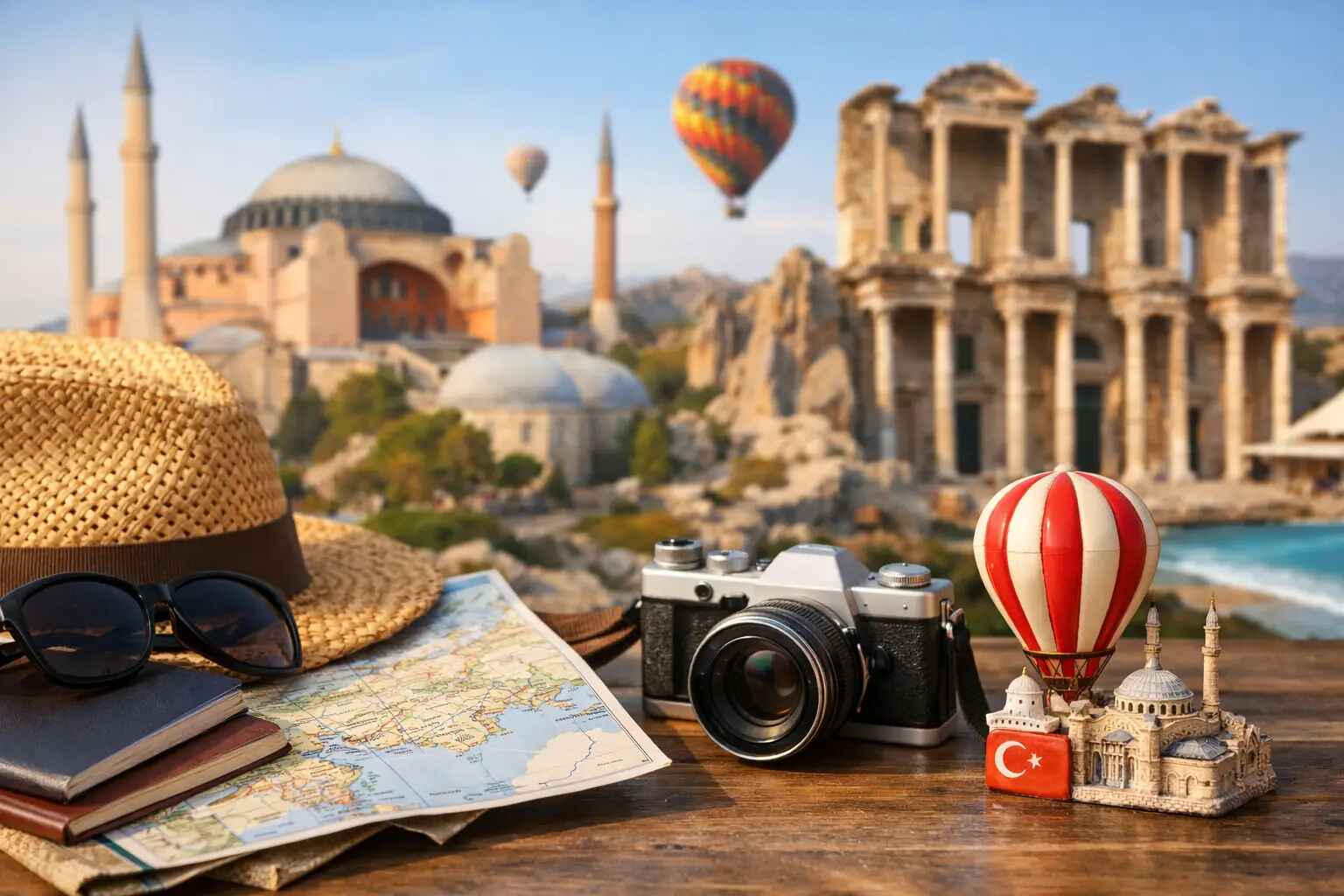
The first surprise for many visitors is how quickly Turkey can shift from effortless luxury to avoidable friction. You can land at a modern international airport, check into a five-star hotel, and still lose an hour negotiating a ride, sorting cash, or figuring out which entrance your driver is actually using. If you’re wondering what tourists should know before visiting Turkey, the short answer is this: the trip feels far smoother when the practical details are handled before arrival.
Turkey rewards travelers who plan just enough. It is stylish, welcoming, and remarkably varied, but it is also large, busy in peak season, and different from one destination to the next. Istanbul moves at one pace, Bodrum at another, and Cappadocia at another still. Knowing how local transport works, what payment habits to expect, and how to move comfortably between airport, hotel, and excursions can make the difference between a polished arrival and a stressful one.
What tourists should know before visiting Turkey for a smooth arrival
Most international visitors enter through major airports that are modern and well organized, but arrivals can still feel crowded, especially during summer and holiday periods. Immigration lines may be fast or slow depending on the hour, and baggage claim is not always predictable. That matters because onward transport decisions made in a rush are often the least comfortable and the most expensive.
Pre-booked transportation is usually the smarter choice if comfort, luggage handling, and fixed pricing matter to you. Taxis are common, but quality can vary by city, season, and airport demand. If you are arriving with family, multiple bags, children, or after a long-haul flight, having a professional driver waiting with your details already confirmed gives you a much calmer start.
This is especially true in destinations where your hotel is not immediately adjacent to the airport or where local transport is less intuitive for first-time visitors. In places like Antalya, Bodrum, Dalaman, or Cappadocia, the transfer is often part of the experience. A reliable private vehicle turns that first leg into a continuation of the trip rather than an obstacle.
Turkey is not one destination
One of the most useful things to understand before visiting is that Turkey is better approached as several travel styles within one country. Istanbul is dense, fast, and layered. It rewards early starts, patient timing, and a realistic plan for traffic. Bodrum and the Aegean coast are more seasonal and social, with strong demand in summer and a premium on advance reservations. Cappadocia is scenic and spread out, where transport logistics matter more than visitors often expect.
That means your transportation strategy should match the destination. In Istanbul, proximity and traffic windows matter. On the coast, airport-to-resort transfers should be arranged early in peak months. In resort areas and more rural destinations, waiting until you land to organize transport can leave you with fewer quality options and less certainty on price.
Cash, cards, and everyday payments
Visitors often ask whether they should rely on cash or cards. The realistic answer is both. Credit cards are widely accepted in hotels, upscale restaurants, and established tourism businesses, especially in major destinations. Still, cash remains useful for smaller purchases, tips, local shops, and certain independent vendors.
It is wise to carry some Turkish lira even if you prefer paying by card. That said, there is no need to arrive with excessive cash. Access to ATMs is generally easy in cities and tourist hubs. The bigger issue is avoiding rushed currency exchange decisions at airports or paying more than expected in situations where the price was never made clear beforehand.
For premium travelers, fixed-price pre-booked services remove a lot of that uncertainty. Whether you’re arranging an airport pickup or a full-day chauffeur, knowing the amount in advance is often worth more than trying to save a small margin in the moment.
Dress codes are flexible, but context matters
Turkey is used to international visitors, and in most tourism areas the dress code is straightforward. Resorts, beach towns, city hotels, and high-end restaurants are generally relaxed, though upscale venues may expect a polished appearance in the evening. The one place where visitors should be more thoughtful is at mosques and religious sites.
Modest dress is appropriate in those settings. Women may want a scarf on hand for mosque visits, and both men and women should avoid overly revealing clothing. This is less about strict formality and more about respect. Outside those contexts, Turkey is not a place where most tourists need to overthink daily clothing choices.
Comfort matters as much as style. Streets can be steep, historical areas can involve uneven walking surfaces, and summer heat in coastal destinations is real. If your itinerary includes old towns, viewpoints, bazaars, and waterfront dinners, practical footwear will serve you better than fashion-first packing.
Timing matters more than people expect
Turkey runs on hospitality, but also on rhythm. Traffic in major cities can be significant. Restaurants may open later than some US travelers expect. Popular attractions can get crowded quickly, especially in Istanbul and during cruise or tour peaks. If your day includes flights, ferries, guided tours, or restaurant reservations, building in time is not overly cautious – it is smart.
This matters even more for airport journeys. A transfer that looks simple on a map may take much longer at the wrong hour. Business travelers and families tend to appreciate this immediately because the cost of a missed connection or a stressful departure is far higher than the cost of leaving early in comfort.
If you value punctuality, private transfer planning is not just a luxury add-on. It is a practical safeguard. Services that track flight timing, confirm pickups clearly, and provide direct contact can remove the most common weak points in a travel day.
Language is manageable, but clarity helps
English is common in many hotels, airports, and tourism-facing businesses, especially in major destinations. Still, travelers should not assume every driver, shopkeeper, or local operator will be fully comfortable in English. This rarely becomes a major issue, but it can create friction when discussing directions, meeting points, or last-minute changes.
That is why confirmation details matter. Save your hotel name exactly as written, keep your pickup information accessible, and avoid relying on vague location descriptions. A professional transport provider with clear reservation records can make this part of the trip much easier, particularly if you are arriving late, traveling with a group, or moving between destinations on a schedule.
Safety and comfort are mostly about choosing well
Turkey remains a popular destination for international travelers because it offers a strong balance of hospitality, value, and memorable experiences. Standard travel awareness still applies. Keep an eye on belongings in busy areas, use trusted providers, and be cautious with unofficial offers around airports or tourist centers.
For transportation, the key issue is consistency. Not every vehicle standard, driving style, or service level will match what frequent international travelers expect. If you prefer clean vehicles, punctual pickups, professional presentation, and transparent pricing, it is worth selecting transportation in advance rather than improvising at the curb.
That is one reason premium services continue to appeal to visitors who care about privacy and reliability. Companies such as Vehiclize are built around exactly that expectation – fixed-price booking, experienced drivers, and high-comfort vehicles for travelers who would rather arrive composed than negotiate logistics after landing.
What tourists should know before visiting Turkey in peak season
Summer brings exceptional energy to Turkey, but also pressure on transport, accommodation, and popular routes. Bodrum, Antalya, Dalaman, and other leisure destinations can feel very different in July and August than they do in shoulder season. Roads are busier, airport traffic is heavier, and same-day arrangements become less dependable.
If you are traveling during peak periods, reserve the essentials early. That includes airport transfers, special dining, yacht charters, and long-distance movement between destinations. Waiting may still work, but your range of quality options tends to narrow, and the smoothest services are often booked first.
The same logic applies to family travel and group travel at any time of year. Once luggage, child seats, multiple rooms, or event schedules are involved, transport is no longer a small detail. It becomes part of the trip’s overall comfort level.
Turkey is generous with experiences. You can move from palace hotels to seaside marinas, ancient ruins to rooftop dinners, city energy to coastal calm in a single itinerary. The travelers who enjoy it most are often the ones who protect the practical side of the journey with the same care they give the destination itself. Arrive with your transfers arranged, your timing realistic, and your expectations tuned to the region you’re visiting, and Turkey tends to meet you with style.