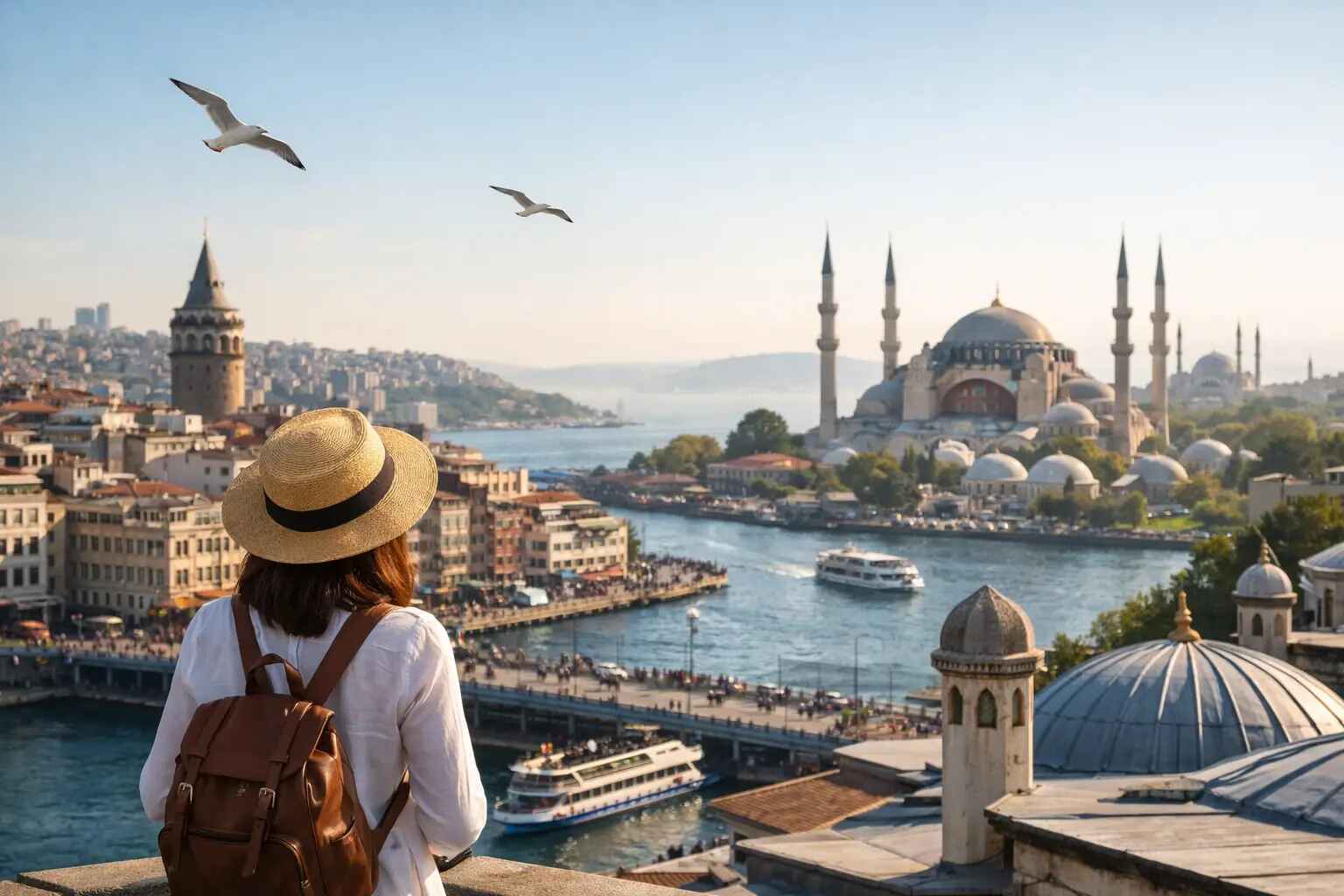
Three days in Istanbul can feel either effortless or exhausting. The difference usually comes down to planning your route well, staying realistic about traffic and walking time, and deciding early which iconic places matter most to you. If you’re wondering how to visit Istanbul in 3 days and where the most iconic locations are, the best approach is not to cram in everything – it is to group the city by area and move through it with purpose.
Istanbul rewards travelers who value comfort, timing, and a little structure. This is not a city where you want to spend half your visit figuring out transfers, standing in long taxi lines, or crossing from Europe to Asia at the wrong hour. With only three days, a well-paced itinerary gives you the city’s grand landmarks, its waterfront beauty, and its neighborhood character without turning the trip into a rush.
How to visit Istanbul in 3 days without wasting time
The smartest way to see Istanbul in a short stay is to divide your visit into three experiences. Day one should focus on the Historic Peninsula, where the city’s most famous monuments sit within a relatively compact area. Day two is best spent around the Bosphorus and nearby palace districts, where the mood shifts from imperial history to waterfront elegance. Day three should balance modern Istanbul with either the Asian side or a more relaxed neighborhood circuit, depending on your energy and interests.
This structure works because Istanbul is large, layered, and traffic-sensitive. On a map, a few stops may look close. In real life, hills, crowds, security lines, and crossing between districts add time quickly. Travelers who try to improvise often lose valuable hours in transit. Travelers who plan by zone usually see more, with less stress.
Day 1: Start with Sultanahmet and the city’s grand icons
If this is your first visit, your first morning belongs to Sultanahmet. This is where Istanbul presents its most recognizable image – domes, minarets, courtyards, and centuries of imperial history in one concentrated district.
Begin with Hagia Sophia. Even for seasoned travelers, it has scale and presence that photos never quite capture. Arriving early makes a noticeable difference, especially in peak season. From there, continue to the Blue Mosque, which remains one of the defining views of the city. Since both are active religious and cultural landmarks, modest dress and respectful timing matter.
Just a short walk away, the Basilica Cistern offers a completely different atmosphere. After the brightness of the square above, the underground columns and low lighting feel dramatic and calm. It is one of the easiest additions to the morning because it sits so close to the other major sites.
By late morning or early afternoon, head to Topkapi Palace. This stop deserves more time than many visitors expect. The palace complex is not just a building – it is a sequence of courtyards, ceremonial rooms, gardens, and views over the Bosphorus. If you enjoy history, this can easily become the anchor of your day. If you prefer a lighter pace, focus on the main sections and save your energy for the rest of the district.
In the afternoon, make your way to the Grand Bazaar or the Spice Bazaar, depending on your shopping interest and stamina. The Grand Bazaar is more iconic in the traditional sense, while the Spice Bazaar is often easier for a shorter, more focused visit. Neither should be treated as a rushed checkbox. Part of the value is simply being inside these historic trading spaces and absorbing the atmosphere.
A practical note: this first day involves a lot of walking. Comfortable shoes are not optional. If you are traveling with family, older relatives, or substantial shopping, private point-to-point transport between longer stretches can make the day far more enjoyable.
Day 2: Bosphorus views, Dolmabahce Palace, and the city at its most refined
Your second day should show you a different Istanbul. After the dense concentration of monuments in Sultanahmet, the Bosphorus corridor feels more open, polished, and scenic.
Start at Dolmabahce Palace. It offers a striking contrast to Topkapi. Where Topkapi reflects an older imperial world of courtyards and layered Ottoman life, Dolmabahce feels grander in a more European, ceremonial sense. The chandeliers, halls, and waterfront setting make it one of the most iconic locations in the city, especially for travelers who appreciate architecture and royal residences.
From there, continue along the Bosphorus. Depending on your pace, Ortakoy is an excellent next stop. The mosque at the water’s edge, the bridge backdrop, and the cafe-lined square give this area a very photogenic appeal. It is one of those places where Istanbul’s scale softens into something more leisurely.
The ideal addition to this day is a Bosphorus cruise. If you only have three days, seeing the city from the water is worth prioritizing. Istanbul makes the most sense when viewed as a shoreline city, not just a collection of neighborhoods on land. From the water, the palaces, mansions, mosques, and hills line up in a way that explains the city’s enduring fascination.
For travelers who prefer privacy and comfort, this is also the day when premium transport arrangements make the clearest difference. Coordinating palace visits, waterfront stops, and marina access can be time-consuming if handled casually. A pre-arranged chauffeur service keeps the day elegant and predictable, especially if you are traveling on a tight schedule or expect a higher standard of service.
If time allows in the late afternoon, visit Galata Tower or the Karakoy area. Galata remains one of Istanbul’s classic silhouettes, while Karakoy offers a more contemporary energy with stylish streets and dining options. The trade-off is crowd level. These districts are lively and rewarding, but less serene than the Bosphorus shoreline.
Day 3: Where are the most iconic locations beyond the postcard stops?
By your third day, the question shifts slightly. You have already seen the headline landmarks. Now it becomes about choosing which version of Istanbul you want to remember.
If you want contrast, go to the Asian side and spend time in Kadikoy or Uskudar. This is still unmistakably Istanbul, but with a more local rhythm. Uskudar gives you beautiful waterfront views back toward the European skyline, while Kadikoy offers markets, cafes, and a more lived-in urban energy. For many repeat visitors, this side of the city feels less performative and more personal.
If you prefer to stay on the European side, consider a route through Taksim, Istiklal Street, and Galata. These are iconic in a different way. Instead of imperial monuments, you get late Ottoman facades, consulates, passages, churches, boutiques, and the pulse of modern city life. It is busy, sometimes noisy, and not always polished, but that is part of its identity.
Another excellent third-day option is to keep the schedule intentionally light. A late breakfast, a scenic drive along the Bosphorus, a few carefully chosen stops, and time for a private yacht experience can leave a stronger impression than racing through five more attractions. Istanbul is a city where quality of movement matters. Seeing less with more comfort is often the better luxury.
The most iconic locations in Istanbul
If your goal is to prioritize only the essentials, these are the locations that define Istanbul most clearly: Hagia Sophia, the Blue Mosque, Topkapi Palace, the Basilica Cistern, the Grand Bazaar, Dolmabahce Palace, the Bosphorus, Galata Tower, and the waterfront districts of Ortakoy and Uskudar.
That said, iconic does not always mean best for every traveler. History lovers may place Topkapi above Galata. Families may prefer the Bosphorus and wider open spaces over museum-heavy days. Business travelers with limited time may get more value from a refined half-day by the water than a packed heritage circuit. The right itinerary depends on whether you want depth, variety, or ease.
Practical advice for a smooth 3-day Istanbul trip
Choose your hotel location carefully. Staying in Sultanahmet is useful for first-time sightseeing, while staying in Besiktas, Karakoy, or along the Bosphorus may feel more comfortable and upscale, especially if dining and evening atmosphere matter as much as monument access.
Build in buffer time every day. Istanbul traffic is real, and major sites can have lines that change the shape of your schedule. A tightly packed plan may look efficient on paper but become frustrating in practice.
It is also worth arranging airport transfers in advance. After a long international flight, the difference between stepping into a clean, professional vehicle and negotiating ground transport on arrival is not small. For travelers who value punctuality, privacy, and a fixed-price experience, services such as Vehiclize fit naturally into a short Istanbul stay because they remove friction at the moments when time matters most.
Three days is enough to understand why Istanbul stays with people. Not because you saw everything, but because you saw the right things in the right order – and had enough comfort along the way to actually enjoy them.